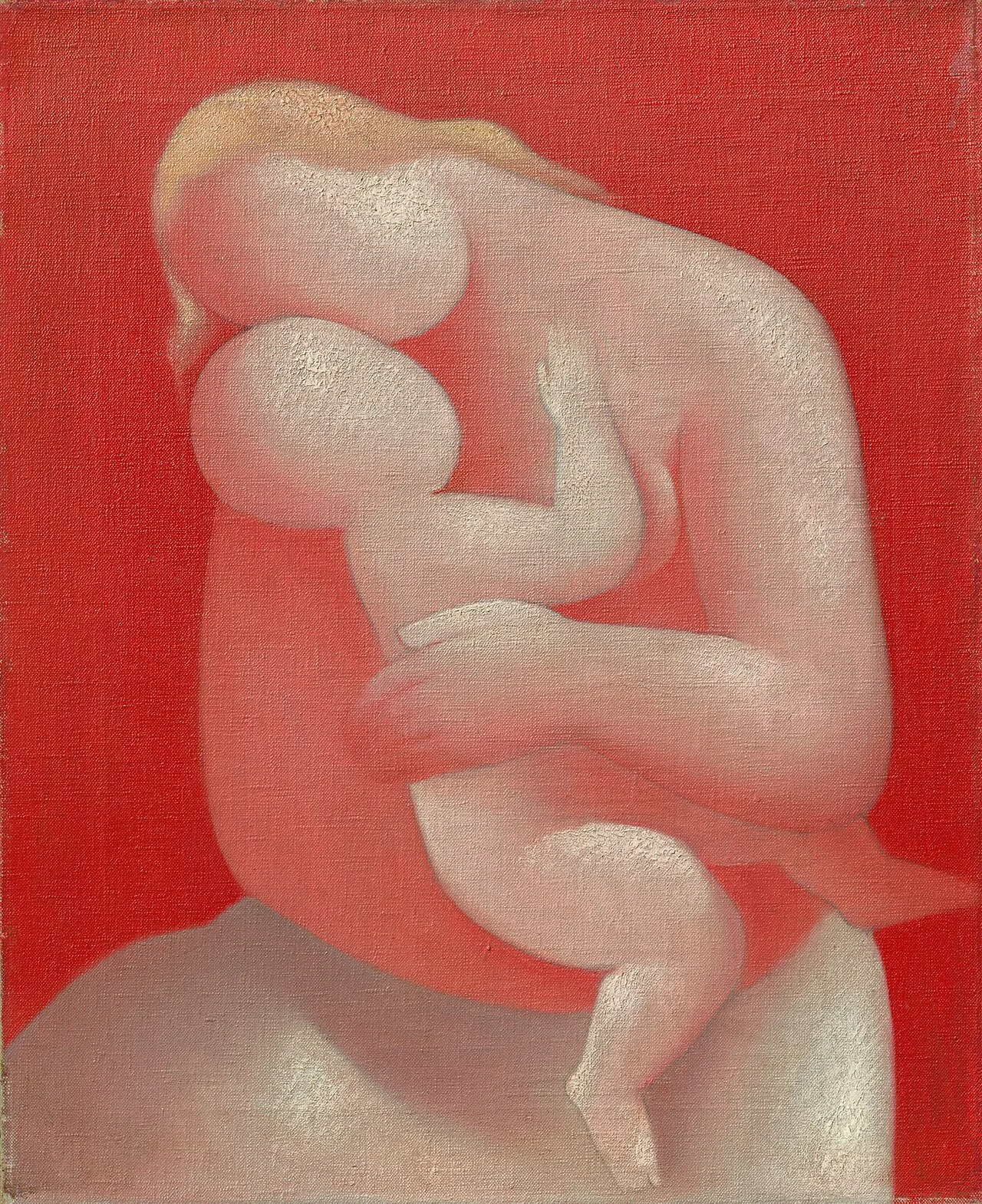


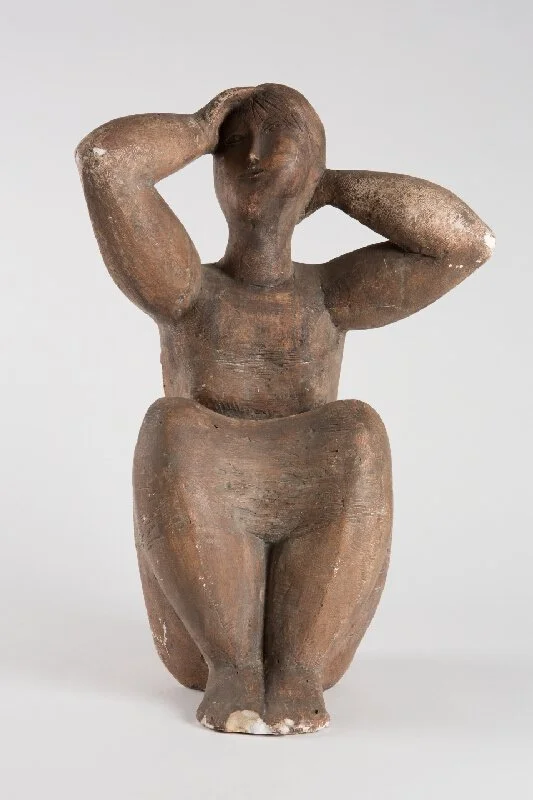
Mikuláš Galanda – Mother (source: Web umenia)

The Mikuláš Galanda Group
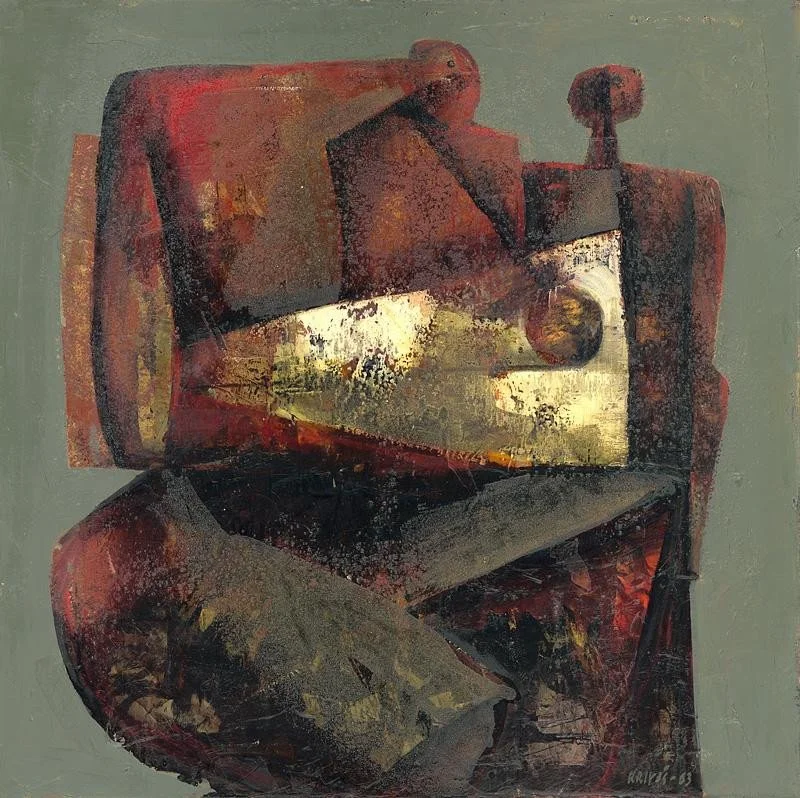
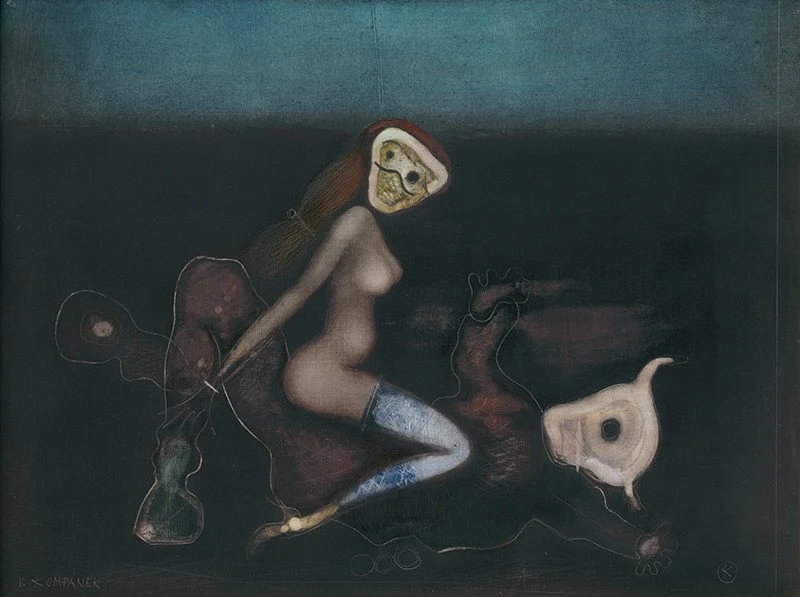
Andrej Rudavský, Andrej Barčík, Vladimír Kompánek, Rudolf Krivoš, Milan Laluha, Milan Paštéka, Anton Čutek, Ivan Štubňa, Pavol TóthThe Galanda Group – A Group of Modern Slovak Artists
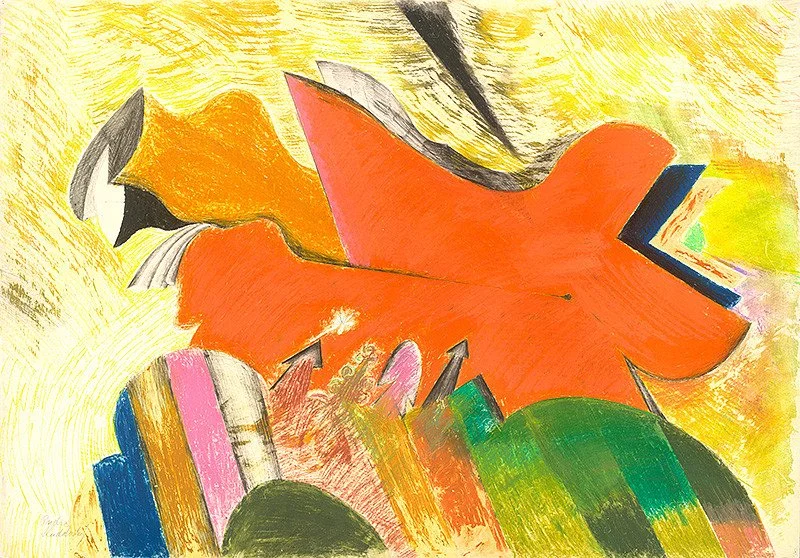
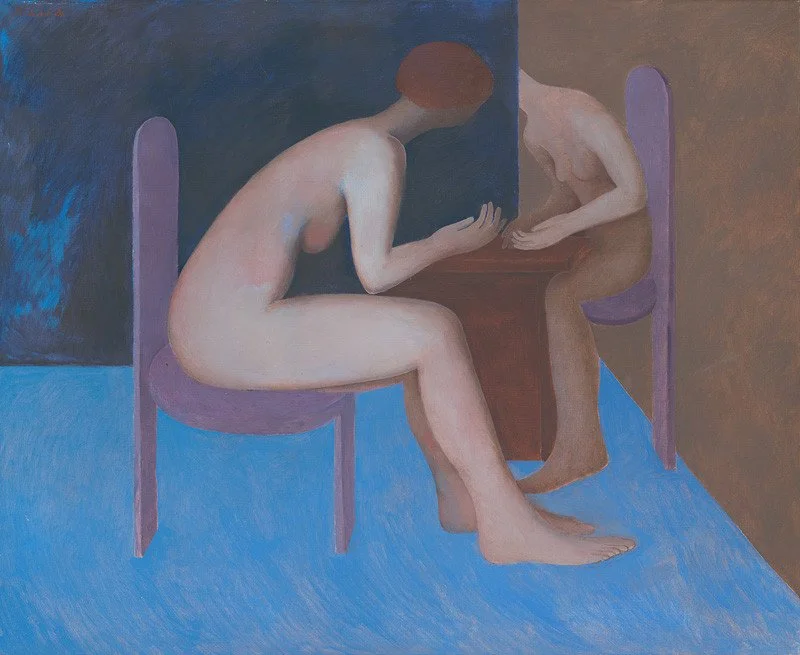
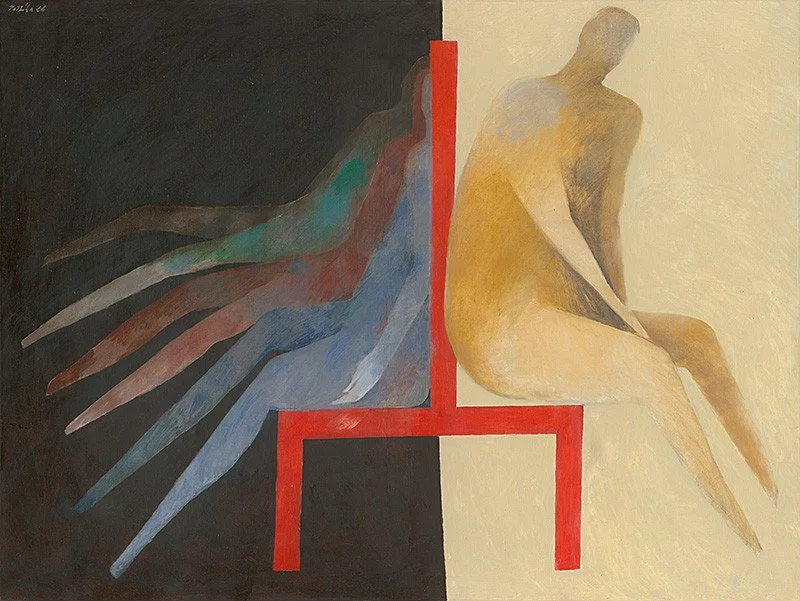
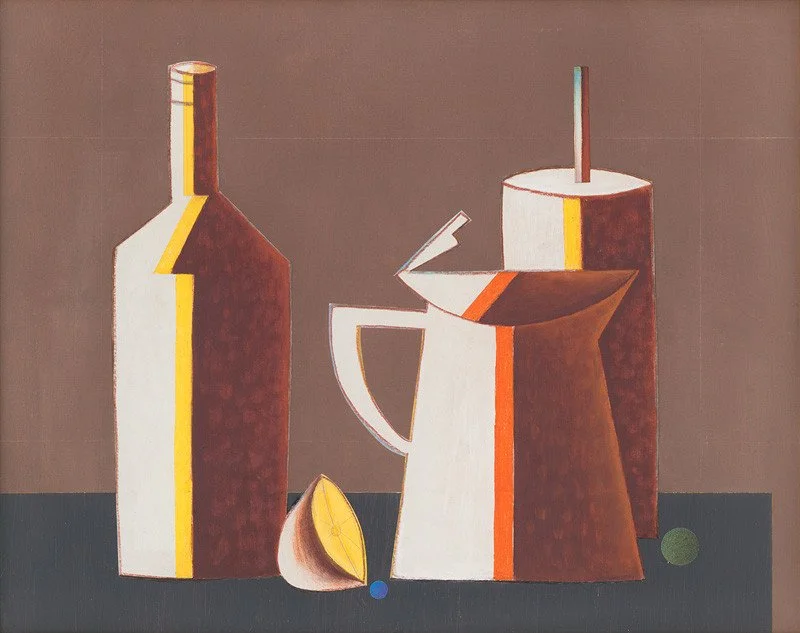
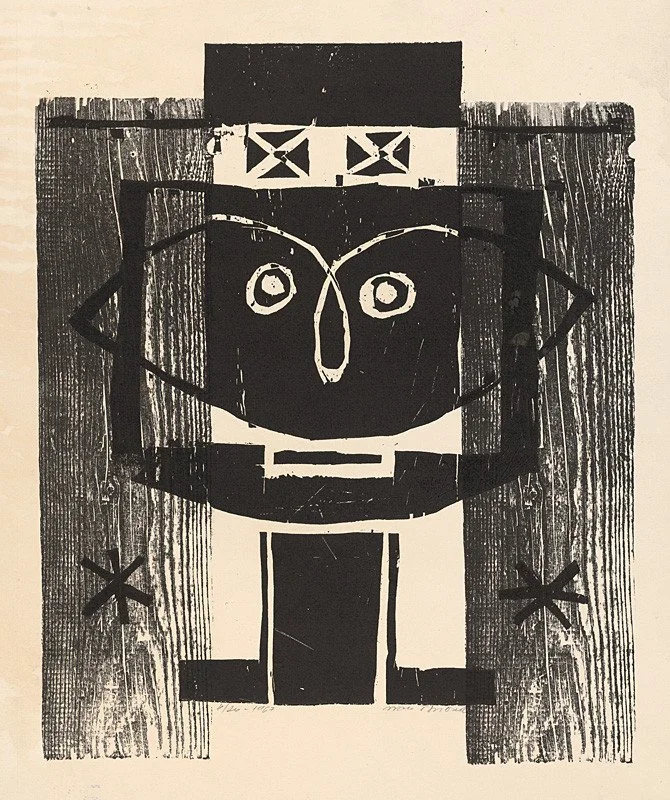
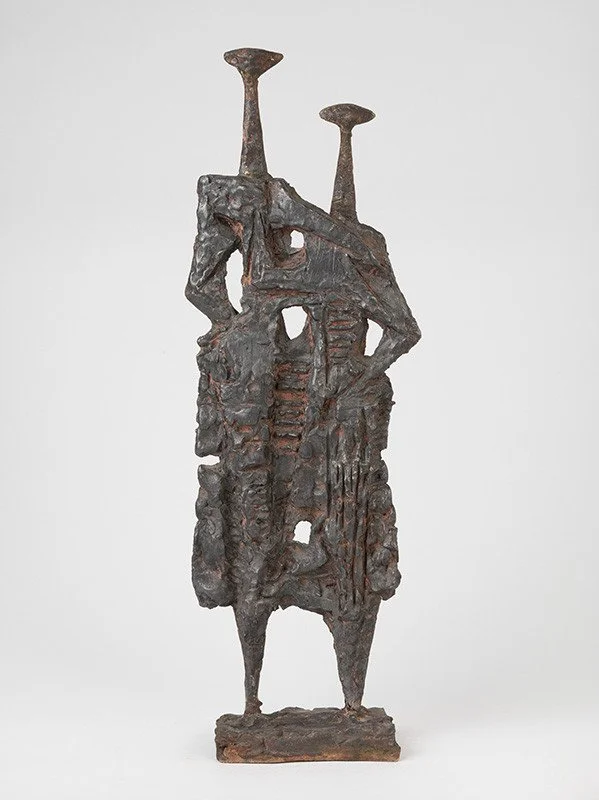
Galandovci is the name given to a group of Slovak visual artists who continued the artistic legacy of Mikuláš Galanda and developed modern artistic thinking in Slovakia in the second half of the 20th century. They were not united by a single style or technique. Each of the artists created their own artistic language, but they were united by their belief that modern art should be based on authentic experience. The emergence of the group must also be viewed in the context of the conditions in that time period. In the mid-1950s, young artists had only limited opportunities to exhibit and enter the art scene publicly. However, after the political relaxation in 1956, the situation began to change, and in January of 1957, the Exhibition of the Young Generation was held in Bratislava, featuring approximately 70 young artists. The exhibition brought together he emerging generation and sparked discussion about the future direction of art. Shortly thereafter, the Mikuláš Galanda Group emerged from this environment.
In the same year of 1957, the first exhibition was held in Žilina under the name Mikuláš Galanda Group. The exhibition was subsequently reprised in January 1958 in Bratislava, where it received strong public attention. The group thereby established itself as an independent generational formation. Gradually, a closer-knit core of artists emerged, among whom Andrej Barčík, Vladimír Kompánek, Rudolf Krivoš, Milan Laluha, Milan Paštéka, Ivan Štubňa, Anton Čutek, Andrej Rudavský, and Pavol Tóth are most often mentioned.
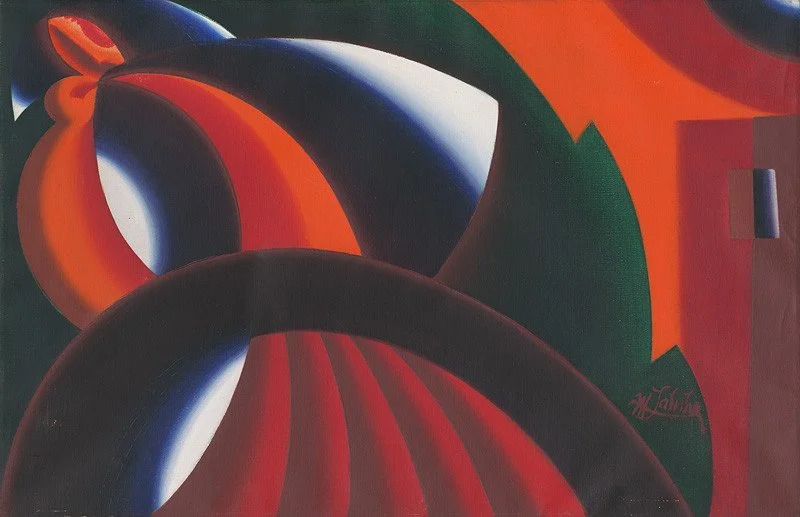
In their artistic direction, they followed in the footsteps of Slovak modernism – Galanda, Fulla, Bazovský, and Majerník. They gravitated towards a concentrated and simplified form corresponding to their era. They understood Slovak identity as an internal principle and cultural attitude, not as a folkloric motif; tradition in their work was transformed into a contemporary visual language.
Who Were the Galandovci?
Mikuláš Galanda – The Spiritual Initiator
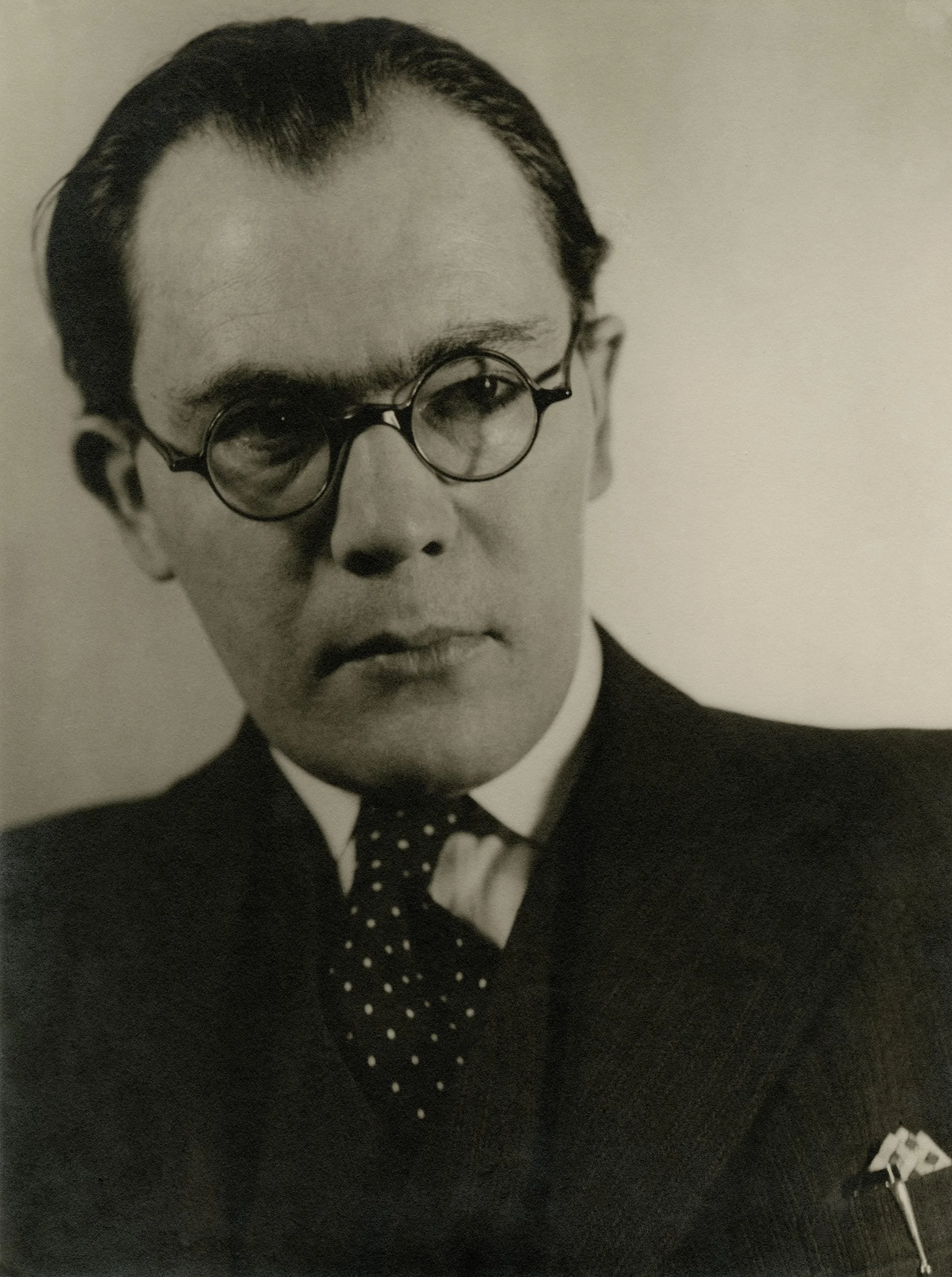
Mikuláš Galanda (1895–1938) is one of the founders of Slovak modern art. Together with Ľudovít Fulla, he laid the foundation for the modern artistic language in Slovakia. He advocated artistic freedom, emphasis on form, and a conscious search for new means of expression. He perceived the Slovak element as spiritual and cultural value, not as a superficial ornament. After his death in 1938, a new generation of artists continued his legacy—artists who would later be known as the Galandovci.
"Modern art is not a question of external
form, but of internal experience. It is not
about imitating reality, but about transforming it
into spiritual value. A work of art must be an expression of personality, otherwise it is just craftsmanship."

Significance for Slovak Art
The Galandovci maintained the continuity of Slovak modernism at a time when it was under strong ideological pressure and when public space for modern artistic positions was limited. Their generational emergence represents an important moment that expanded the possibilities of modern expression in Slovakia and confirmed that modern art can grow out of one’s own cultural experience while remaining open to a broader European context.
Over the decades, perspectives on their work have changed. Initially, they were perceived as bearers of experimentation and avant-garde impulses, but later their work was more often interpreted in connection with the tradition of Slovak modernism. However, a return to contemporary sources shows that their essence was not a closed style, but the permanence of a modern attitude.
Repression and the Ban (1972)
In 1972, members of Mikuláš Galanda group became the target of harsh ideological criticism in the official publication "Za socialistické umenie" (For Socialist Art) and were subsequently expelled from the Union of Slovak Visual Artists. Their work was criticized as formalist and deemed incompatible with the prevailing conception of socialist art. This intervention did not represent merely an administrative restriction, but an effort to suppress the modern artistic direction the group embodied.
Expulsion from the union meant a ban on exhibiting, restrictions on publishing opportunities, and loss of access to public commissions. Many authors were unable to teach and found themselves outside official cultural life. In some cases, even already realized works were interfered with—sculptures were dismantled or damaged, planned projects were cancelled, and some works were violently destroyed.
This intervention marked the end of the group’s joint public activity. Individual artists, however, continued to work—often in the seclution of their studios and without the possibility of wider presentation. Many received full recognition only after 1989, when their works could once again be freely presented to the public and take their place in the history of Slovak modern art.
© Rudavskys Magic Garden 2026